The Hidden Driver of Better Mental Health for Gen Z
Wellness apps and meeting-free days aren't working. The data points to a different, overlooked fix for Gen Z mental health: human connection.


Gen Z has access to more mental-health benefits than any generation before them — and some of the worst mental health on record. The gap isn’t the perks. It’s the disconnection underneath them.
Employers have responded to the Gen Z wellbeing crisis the way they respond to most problems: with programs. Therapy apps. Meeting-free days. Generous paid time off. The intentions are good. The results aren’t landing. To understand why — and what actually works — we have to look at what the data is really telling us.
Why the wellness perks aren’t landing
Here’s the uncomfortable pattern. Companies keep adding benefits, and Gen Z keeps not using them. Fewer than a third of young employees tap the therapy apps, mental-health days, or wellness stipends their employers provide. We’ve treated mental health as an individual problem to be solved with individual tools — and the tools sit untouched.
The reason is simple, and it’s hiding in plain sight: a meditation app can’t make you feel like you belong. The perks treat the symptoms of disconnection while ignoring the cause.
The overlooked driver: human connection
When you ask Gen Z what actually improves how they feel, they don’t say “an app.” They say people. The single most powerful intervention for Gen Z mental health isn’t something you download. It’s something you build — relationships.
73 percent of Gen Z said spending time with friends in person improves their mental health.
Put that next to the benefits data and the contrast is stark. The thing young workers say helps most — being with other people — is exactly the thing our wellness programs can’t deliver. We’ve been investing in tools when we should have been investing in connection.
What a close friend at work changes
This isn’t just about feeling good. Workplace connection shows up on every metric leaders care about. Decades of Gallup research find that employees with a best friend at work are dramatically more engaged — and engagement is the leading indicator of retention, performance, and wellbeing.
A close work friendship is one of the most reliable predictors of whether someone thrives or quietly burns out. It’s also one of the most overlooked — because it can’t be bought, only built.
Four ways leaders can build connection
The good news: this is buildable, and it doesn’t require a budget. Here are four moves that consistently work.
- Create space for personal conversation. Open meetings with something other than status. The first two minutes set the tone for whether people feel like colleagues or coworkers.
- Pair new hires with a peer buddy. Belonging is hardest in the first 90 days. A single assigned friend changes the entire onboarding experience.
- Host low-pressure social moments. Not forced fun — optional, lightweight gatherings where relationships can form without an agenda.
- Recognize relationships, not just results. Celebrate the people who lift others up. What you reward is what you get more of.
None of these are expensive. All of them are connective. And connection — not the next app — is what moves the needle on Gen Z mental health.
The takeaway for leaders is clear: stop trying to solve a relational problem with individual tools. Build the friendships, and the wellbeing follows.
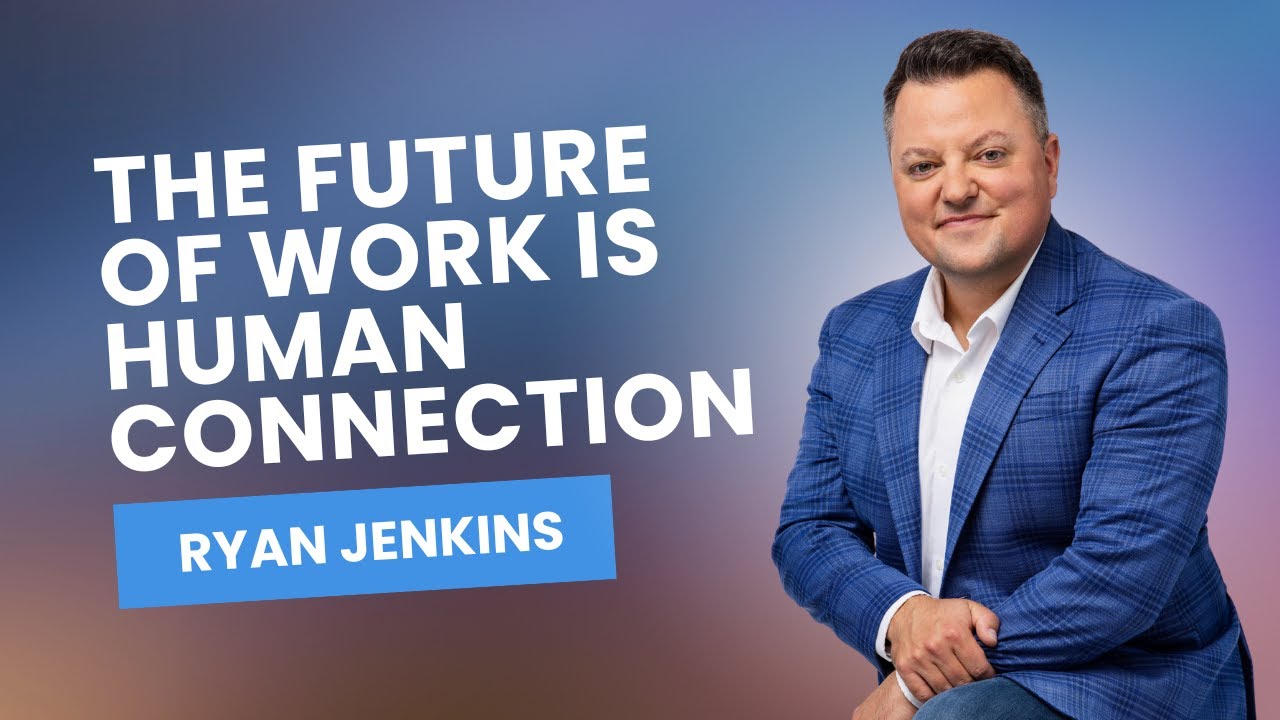
Ryan Jenkins
Ryan Jenkins is a Wall Street Journal bestselling author, internationally acclaimed keynote speaker, and one of today's leading experts on team connection, generations, and the future of work. For more than 15 years, he has helped organizations strengthen trust, improve collaboration, and build teams that thrive through change. He is also the co-founder of Rivet, an AI-powered platform that helps organizations intentionally strengthen workplace relationships. More about Ryan →